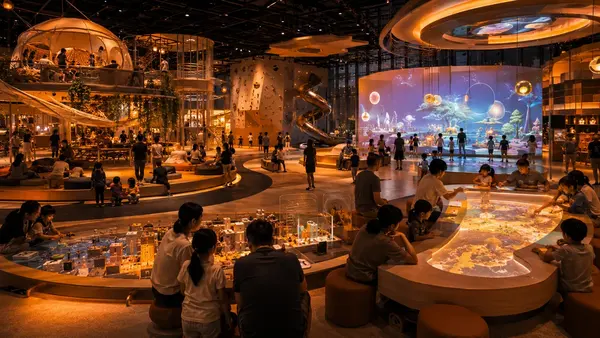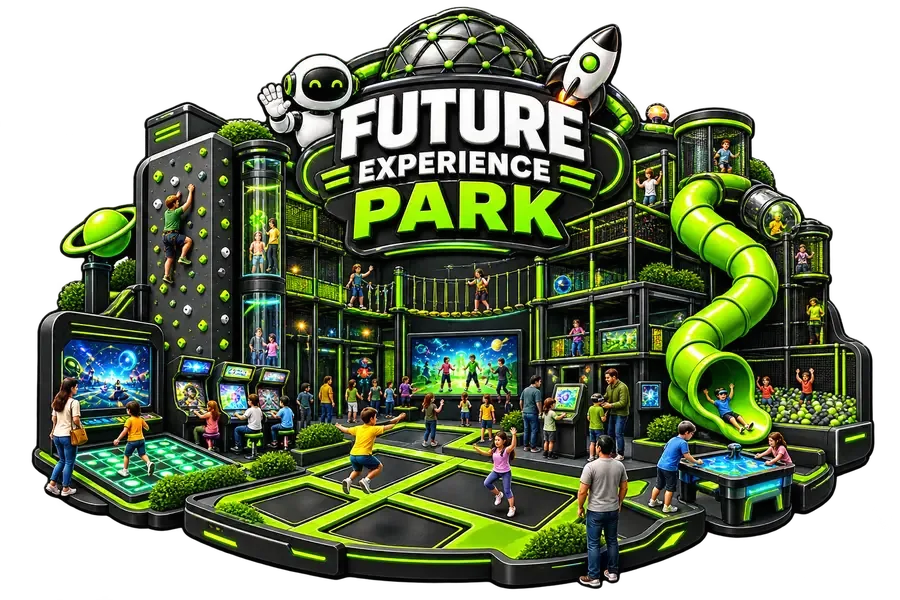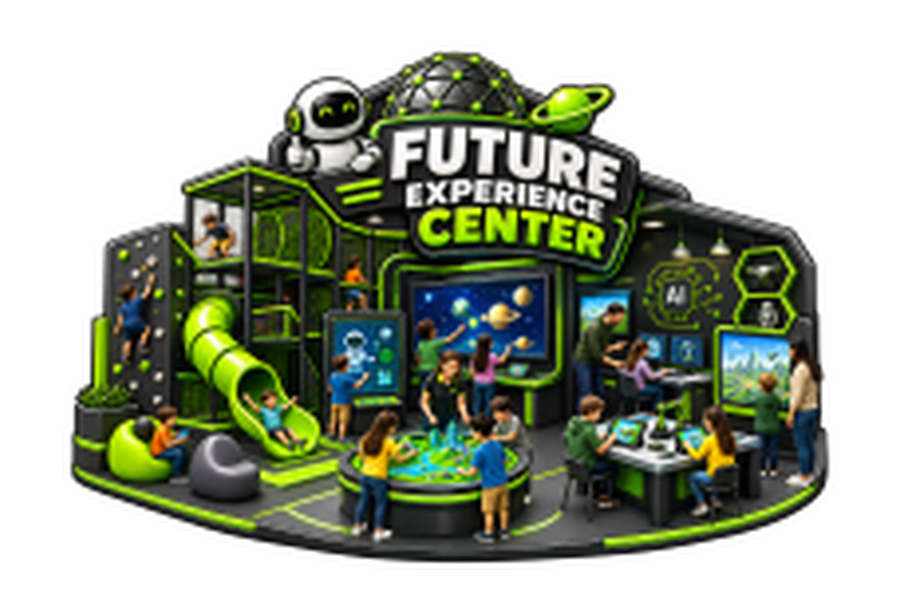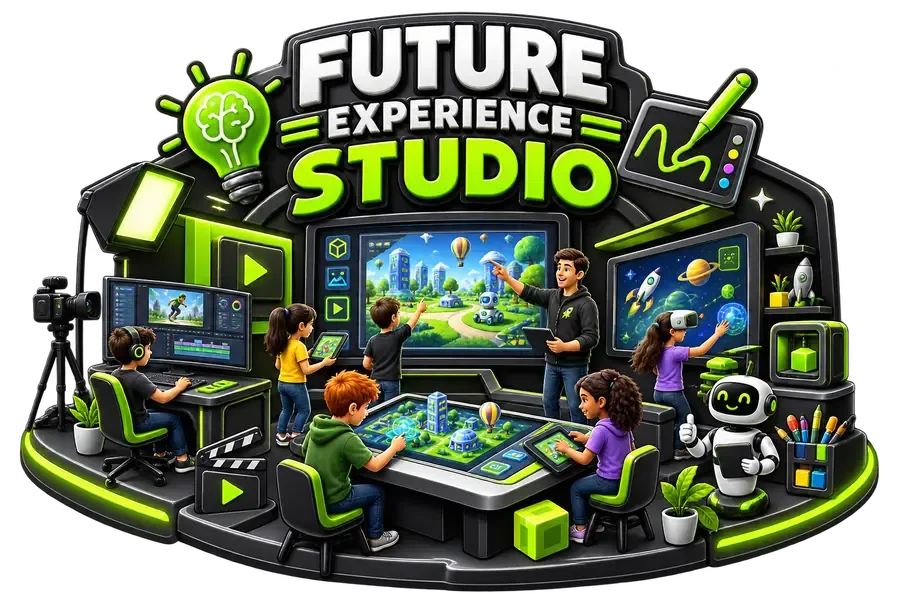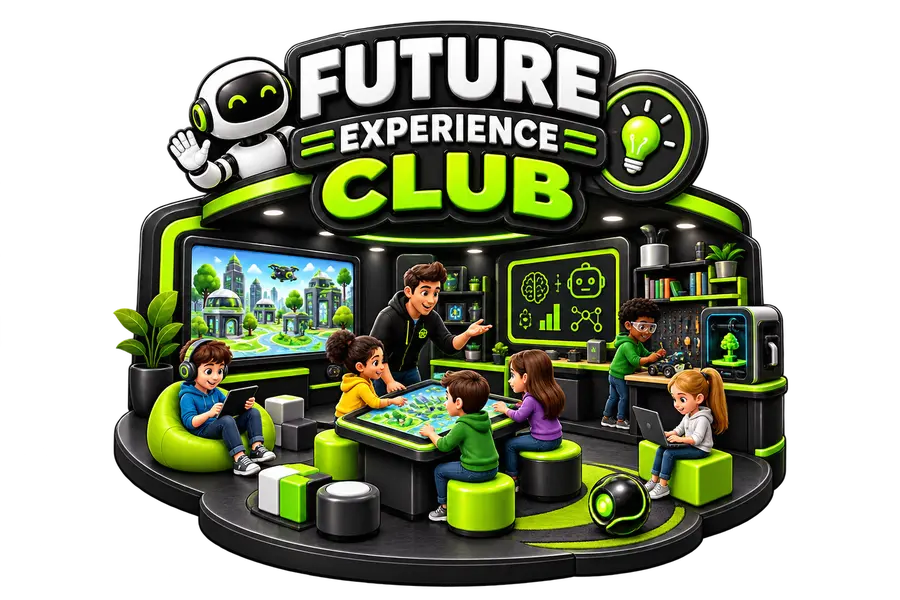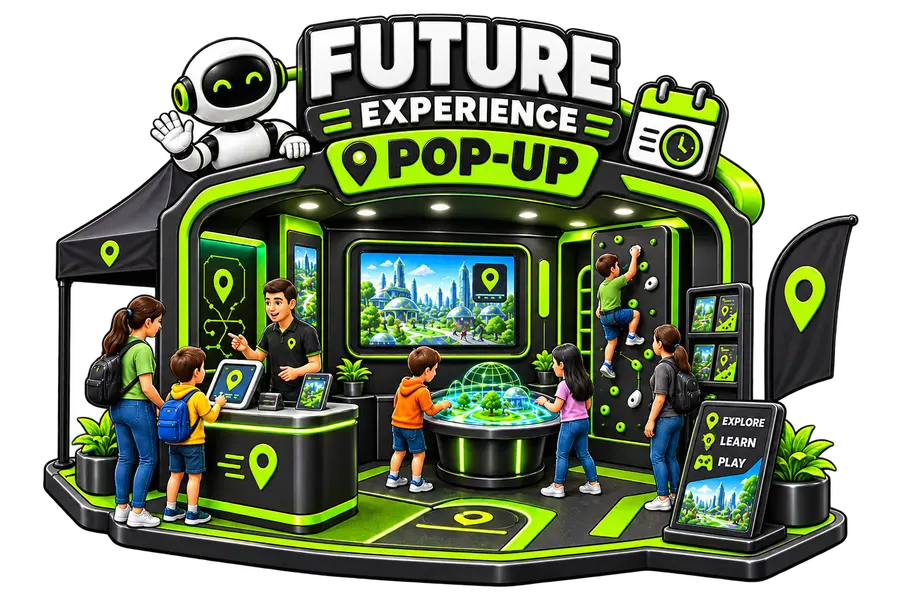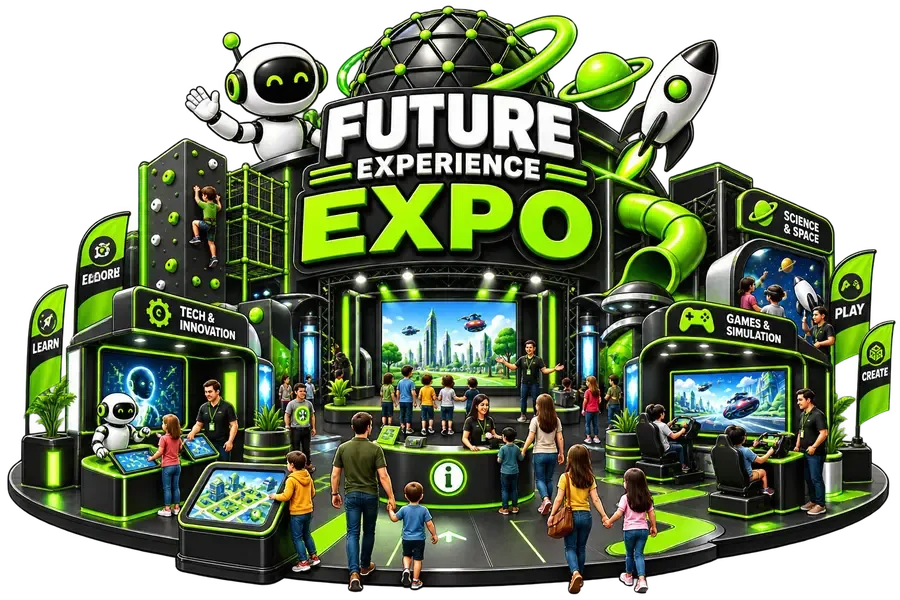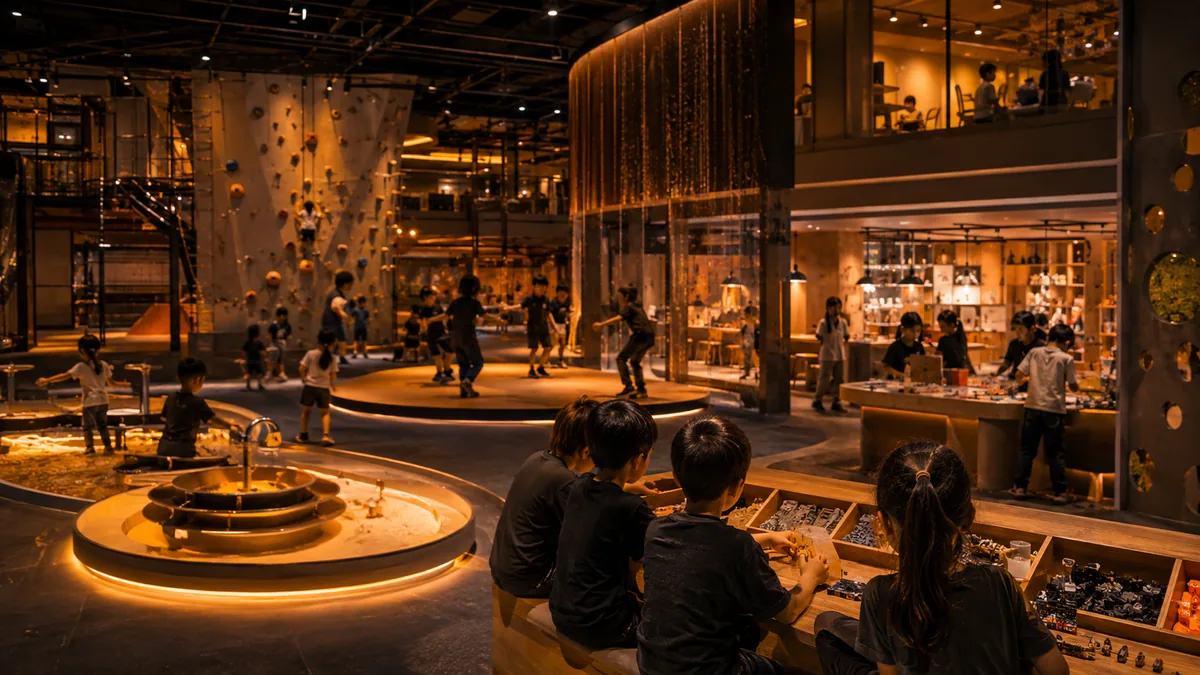
New family entertainment centers have a natural advantage: almost everything is unfamiliar. During the first visit, children discover how fast a slide is, where a maze leads, which obstacle is difficult, and what is hidden in the next part of the park.
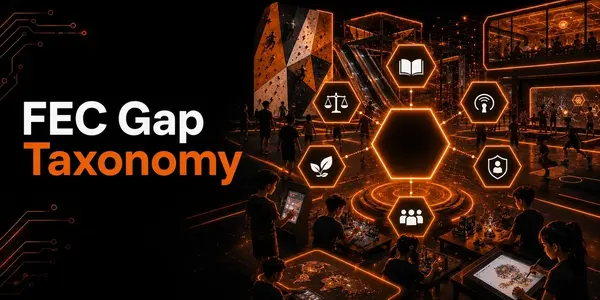
After several visits, the same environment becomes predictable. The equipment may still be good, but the emotional effect changes because much of the discovery has disappeared. The FEC Gap Taxonomy defines this problem as Novelty Decay.
This creates an important challenge for operators. Traditional parks depend heavily on permanent physical attractions, while customer expectations can change much faster than the physical environment. If every decline in excitement requires another major attraction or renovation, maintaining novelty becomes extremely expensive.
A stronger approach is to treat novelty as part of operations rather than only capital expenditure. The physical infrastructure can remain largely unchanged while the experience evolves through new missions, competitions, monthly themes, seasonal programs, clubs, events, collectibles, challenges, and progression systems.
This is particularly important for membership-driven concepts. Unlimited access to an unchanged park does not necessarily create loyalty. It can simply allow families to experience the same attractions more frequently. A strong membership needs recurring reasons to return.
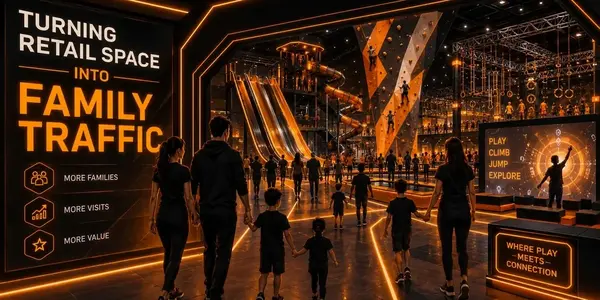
Landlords and investors should also consider this issue when evaluating entertainment concepts. Opening-day excitement can create strong initial traffic, but the more important question is whether the concept has a system for sustaining family visits after the first year.
The key question is simple: What will be different for a returning family six months after opening?
Key points
- New attractions naturally lose some of their emotional impact with familiarity.
- Constant equipment replacement is an expensive solution to novelty decay.
- Programming and content can refresh an experience without major construction.
- Memberships need new reasons to visit, not only discounted access.
- Repeat-visitation strategy should be designed before the park opens.
- Landlords should evaluate how an FEC plans to sustain traffic after opening-year novelty declines.
Novelty Decay, Attraction Fatigue, Content Refresh Deficit, Replayability Deficit, and related issues form the first category of the FEC Gap Taxonomy.