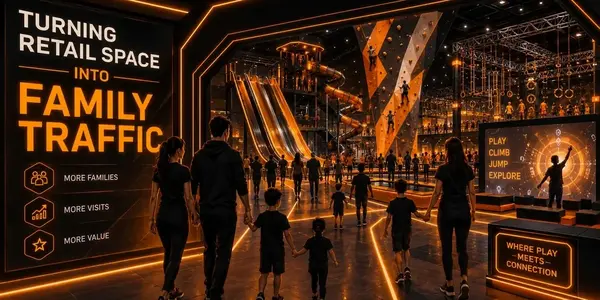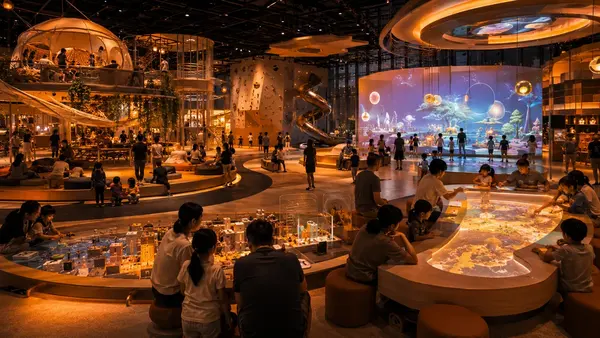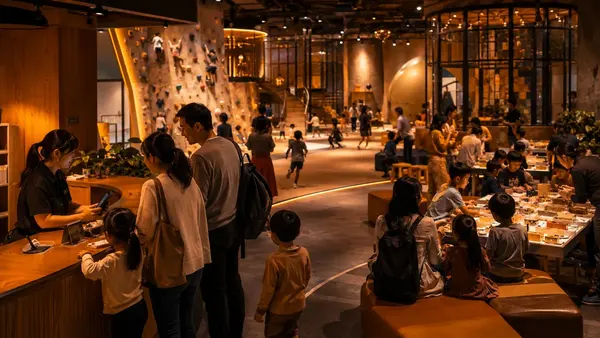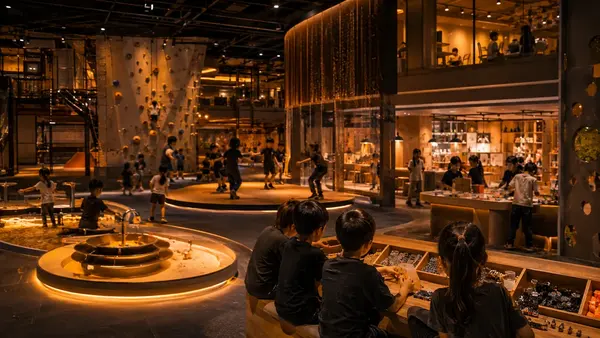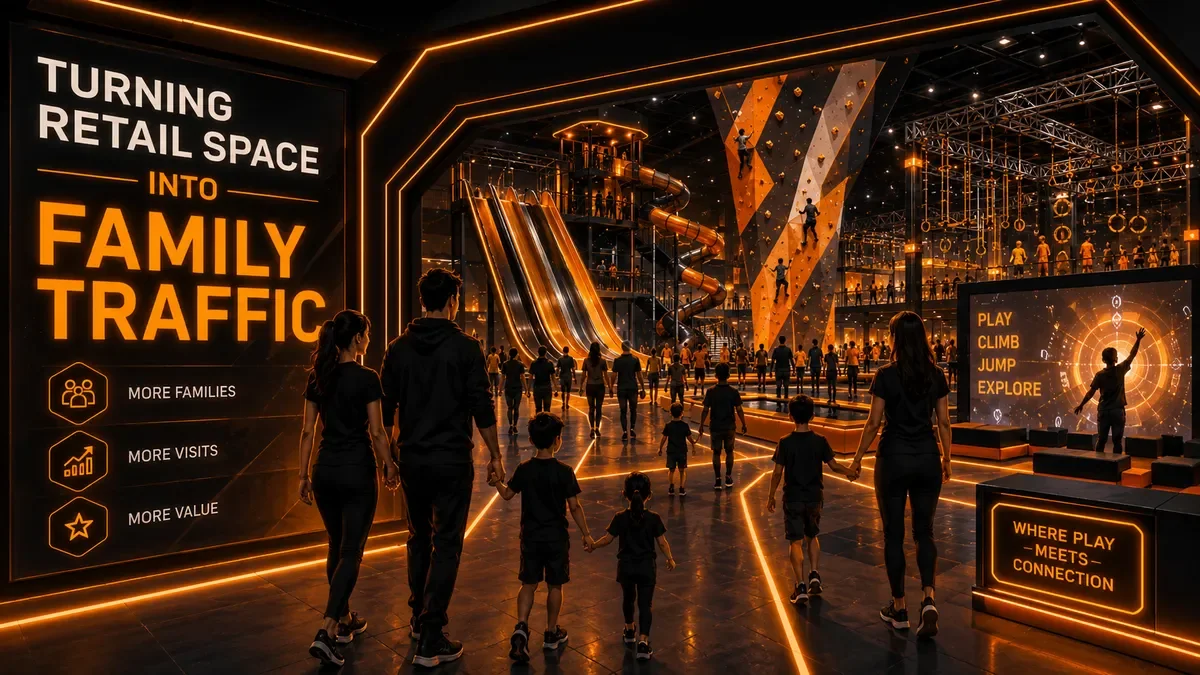
Shopping centers need more than occupancy. They need reasons for people to visit, stay, return and use the property as part of everyday family life. Family entertainment can help turn underused retail space into recurring family traffic.
The traditional retail trip was centered on transactions. Today, many purchases can happen online, so physical properties increasingly compete on experiences that cannot be downloaded or delivered. Active play, social interaction, birthday celebrations, events, workshops and family programs can create a primary reason to leave home and visit a shopping center.
The strongest entertainment concepts should generate more than opening-week curiosity. Repeat visitation matters because recurring family traffic can support restaurants, cafés, retail, common areas and other tenants throughout the property. Memberships, changing programs, competitions, school visits and seasonal events can help transform an entertainment tenant from a one-time attraction into a recurring destination.
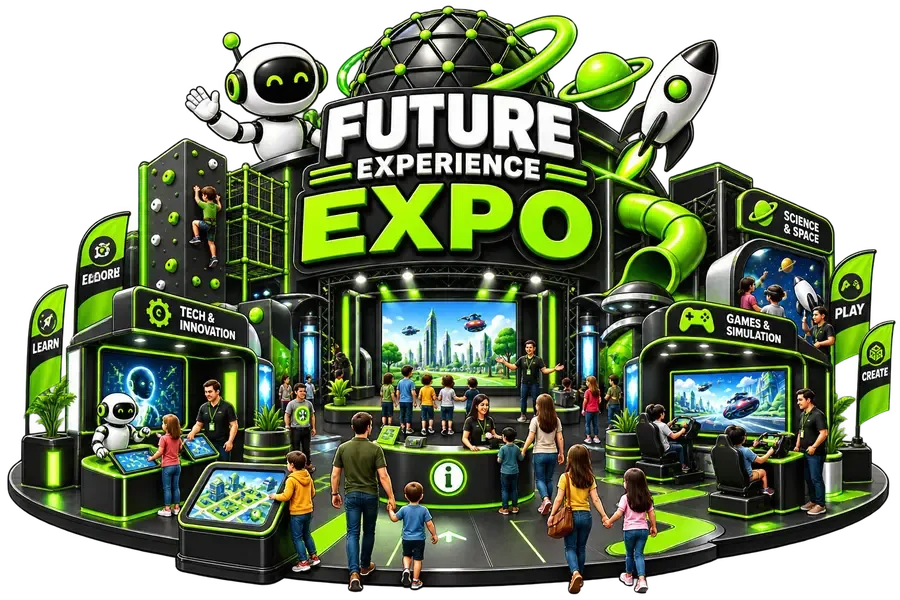
There is also an opportunity to think beyond the lease line. Public-space activations, exhibitions, play islands, family events, Expos, school programs and cross-promotions can connect an FEC to the broader property. Instead of operating as an isolated box, the entertainment concept can become part of the mall's customer journey.
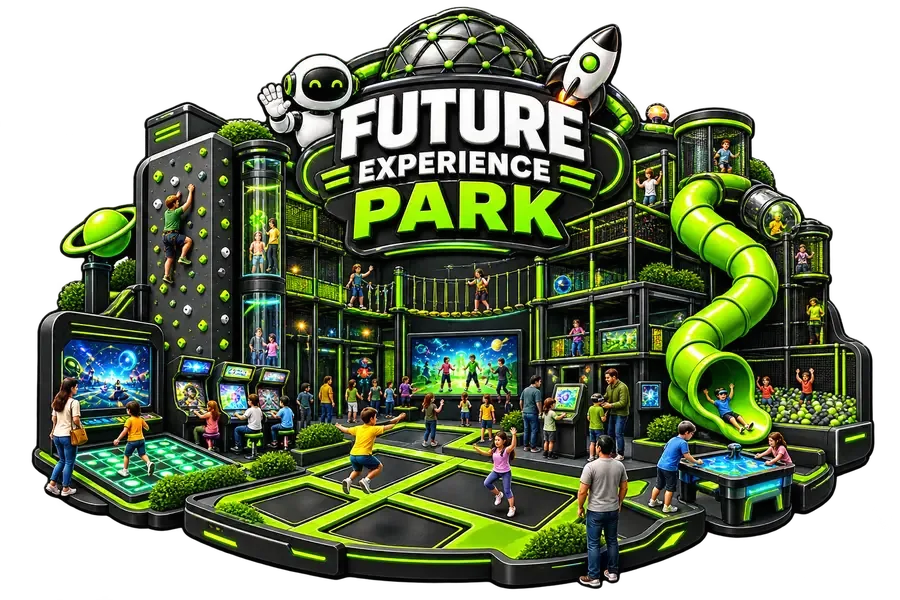
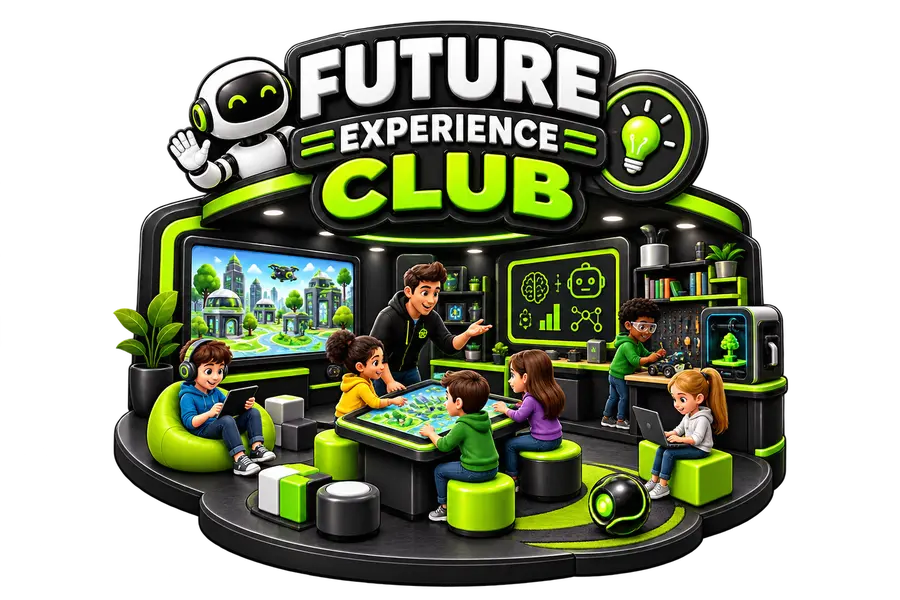
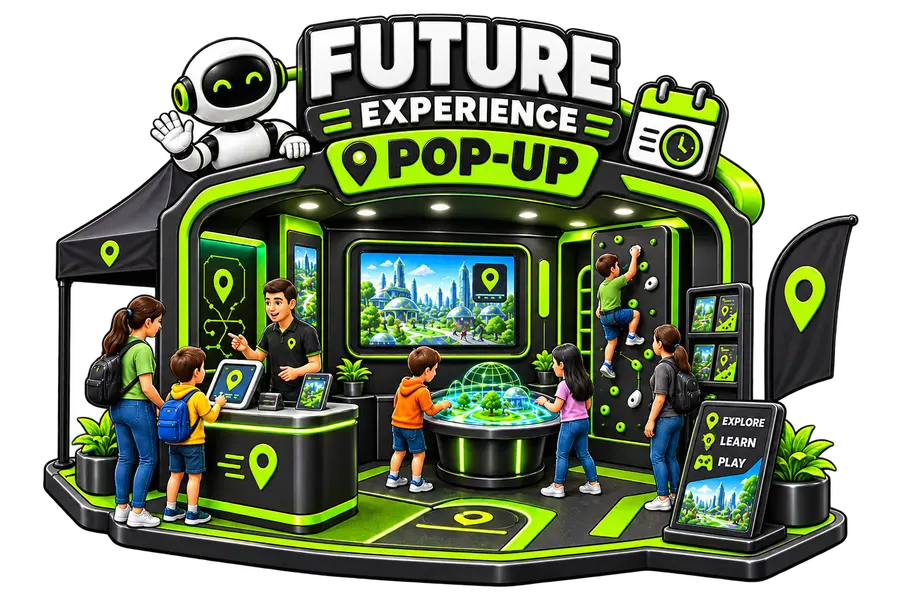
Different properties require different scales. A major regional mall may support a full Future Experience Park, while a smaller center, lifestyle project or mixed-use property may be better suited to a Center, Studio, Club, Pop-Up or event format. The important question is not how to force one prototype into every building, but how to match the experience to the market and real-estate opportunity.
What landlords should evaluate
- How frequently families have a reason to return after opening.
- Whether the concept supports food, retail and wider property traffic.
- How programming and events refresh the experience.
- Whether the format matches the available space and trade area.
- How the operator plans to activate both the premises and the wider property.