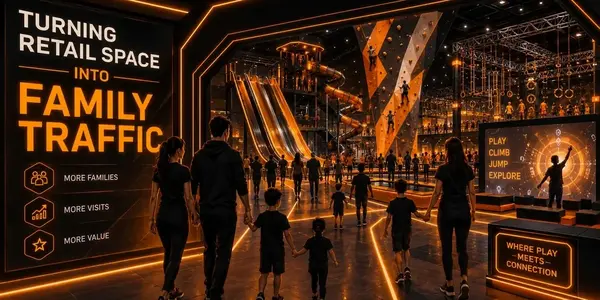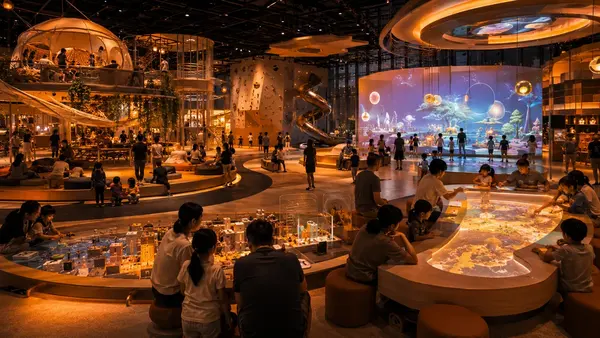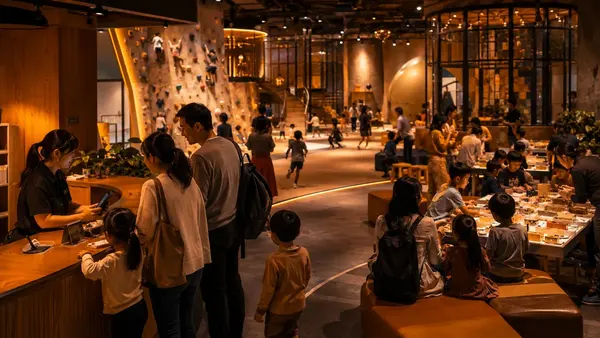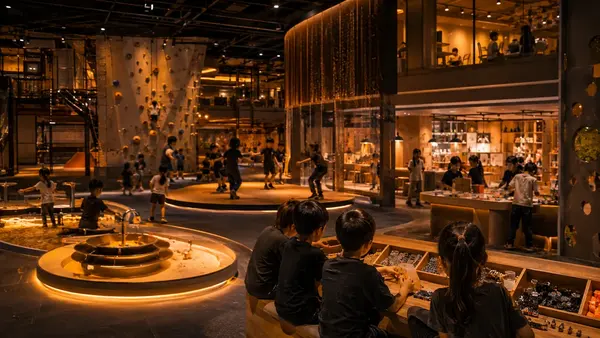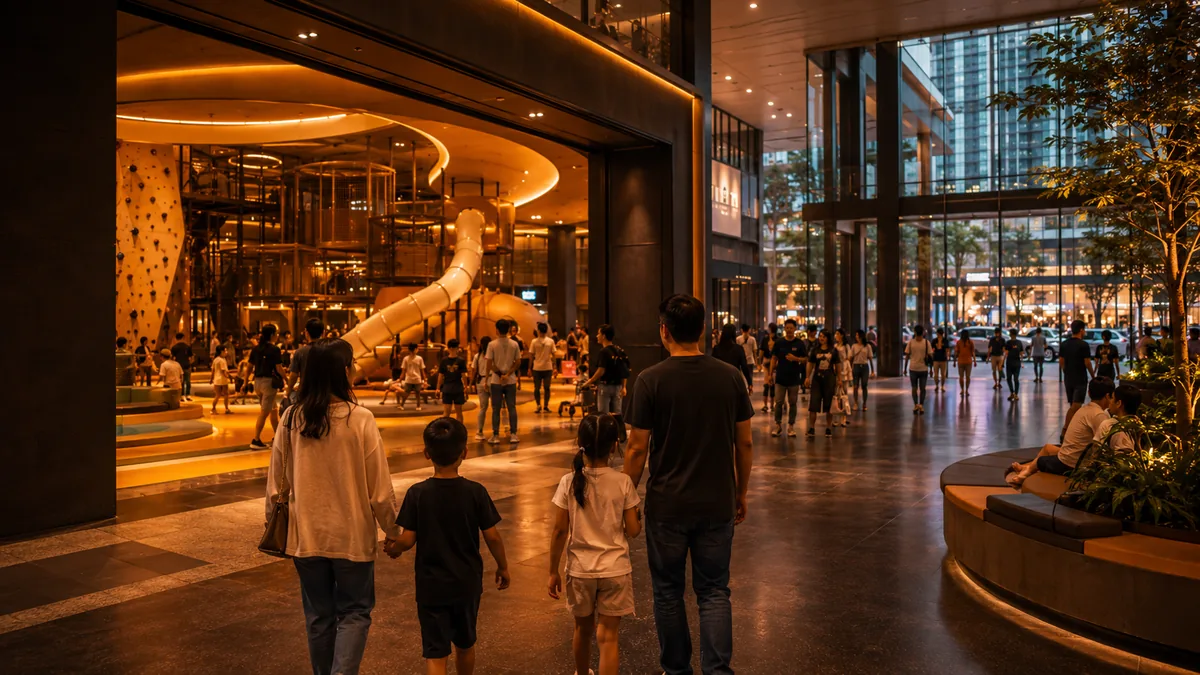
A child may visit the same activity park five times, but in many traditional FECs every visit effectively starts from the beginning. The park may know what the family paid, but it often knows very little about what the child completed, enjoyed, created, or became better at during previous visits.
The FEC Gap Taxonomy defines this as the Progression Gap, closely connected with persistent identity, mastery, personalization, adaptive difficulty, and progress tracking.
Repetition is not the same as progression. A child can climb the same structure ten times, but the experience becomes more meaningful when there is a visible next challenge. A beginner route can lead to an intermediate route. A first robotics activity can lead to a more complex project. A child interested in storytelling, sports, design, or business can gradually develop a different journey from another visitor.
This changes the reason to return. Instead of simply visiting the same facility again, the child returns to continue something that has already started.
Progression is especially important for memberships. Unlimited access to static attractions may provide financial value, but it does not automatically create emotional or developmental value. Levels, saved projects, recurring challenges, competitions, clubs, achievements, and personalized recommendations can make repeat visits more meaningful.
Progression can also strengthen the parent experience. Parents are more likely to recognize value when they can see what a child completed, improved, created, or achieved rather than simply hearing that the child played for two hours.
For operators, the strategic test is straightforward: Is visit five meaningfully different from visit one?
Key points
- Repetition alone does not create progression.
- Returning visitors should have meaningful next steps.
- Difficulty and challenges can evolve as children improve.
- Different interests can create different visitor journeys.
- Progression can strengthen membership retention.
- Visible achievements make the value of repeat visits easier for parents to understand.
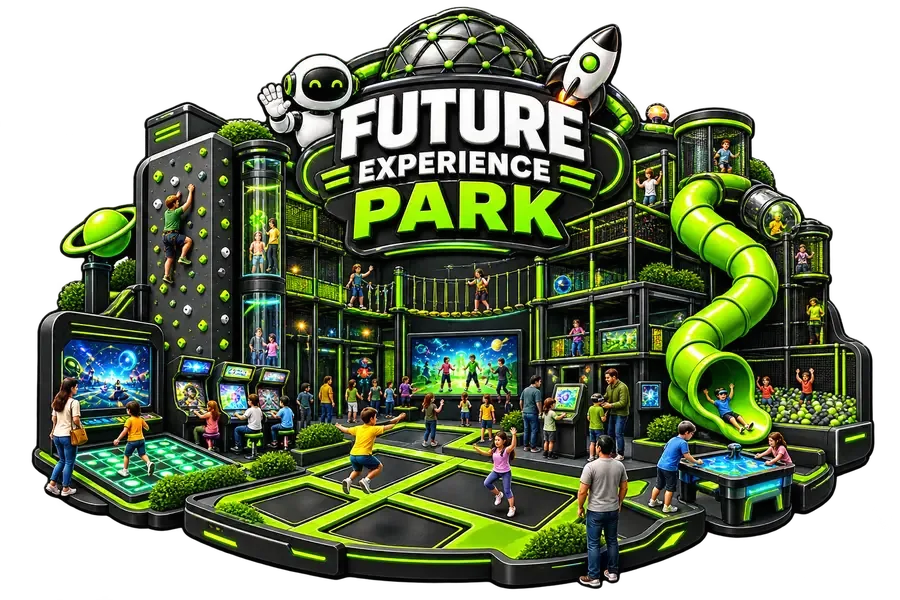
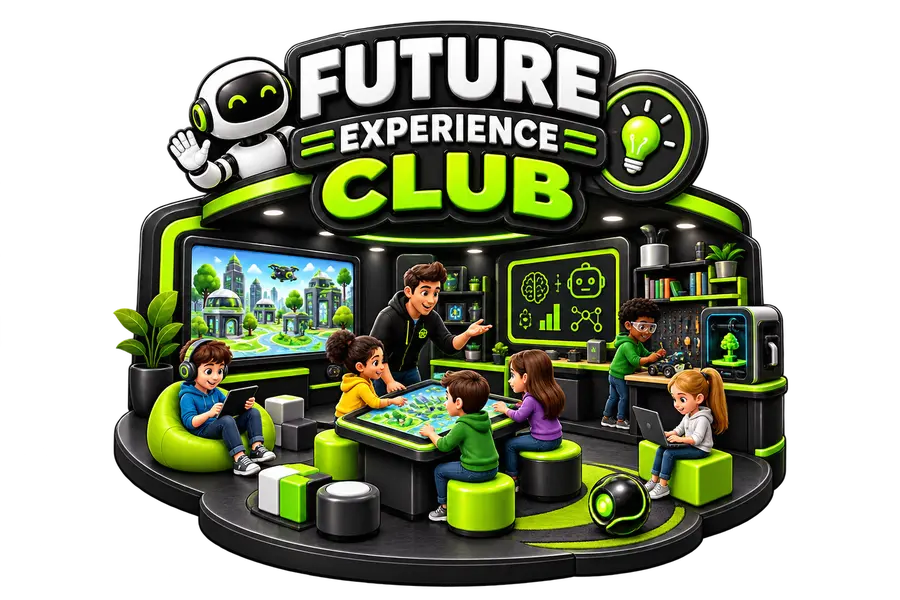
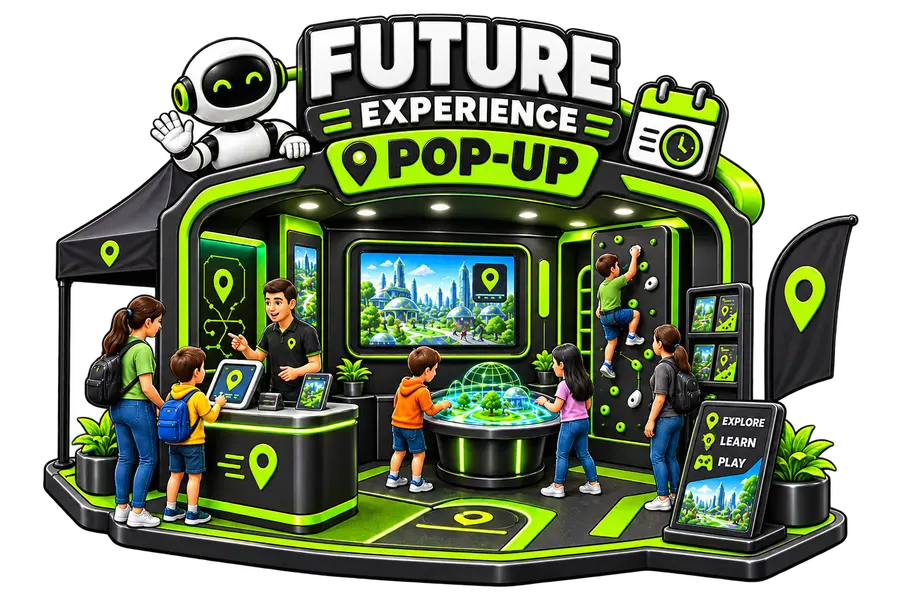
Progression and persistent identity are also central design principles within the Future Experience Park model.