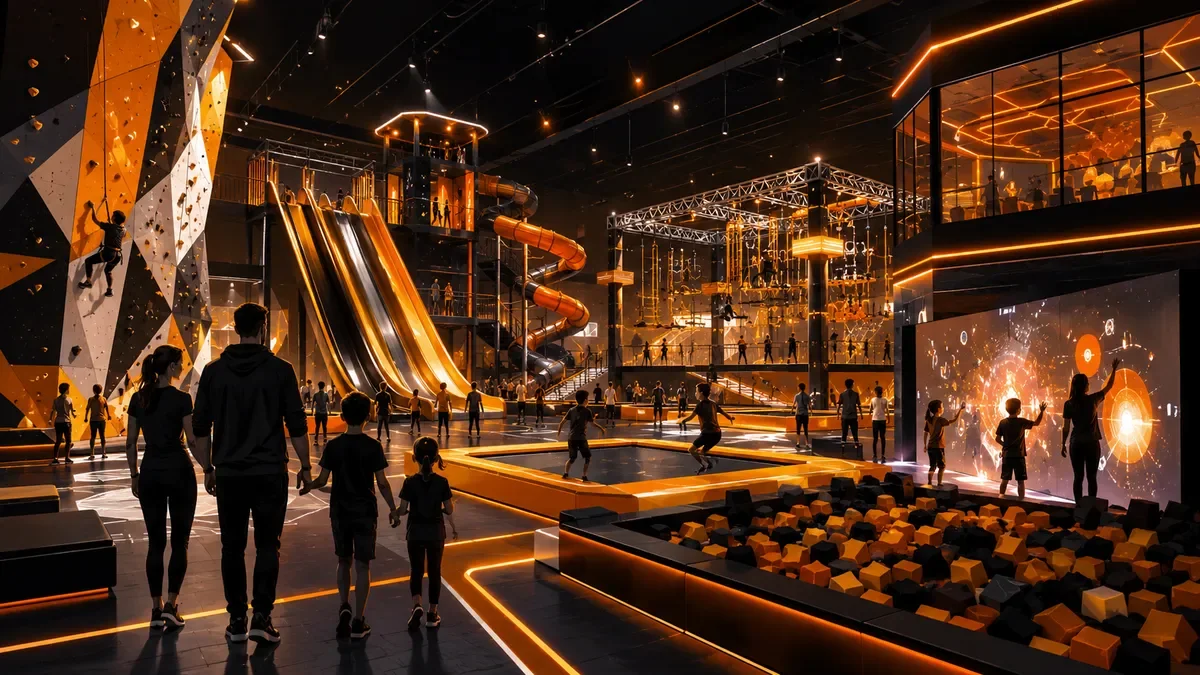
For many years, family entertainment was built around a simple promise: give children a place to play, and parents will come. That model worked when indoor playgrounds, trampoline parks, and arcade centers still felt new. But today’s families expect more.
Children are growing up in a world of AI, games, digital creativity, robotics, personalized media, and interactive tools. At the same time, parents are more concerned about passive screen time, social isolation, summer learning loss, and the need for active physical development. This creates a new opportunity: a family destination that is not just entertainment, not just education, and not just technology.
A New Category
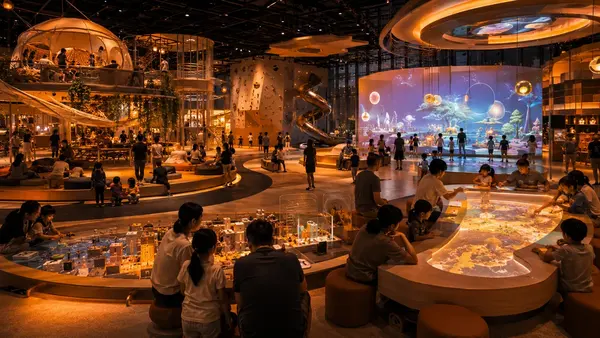
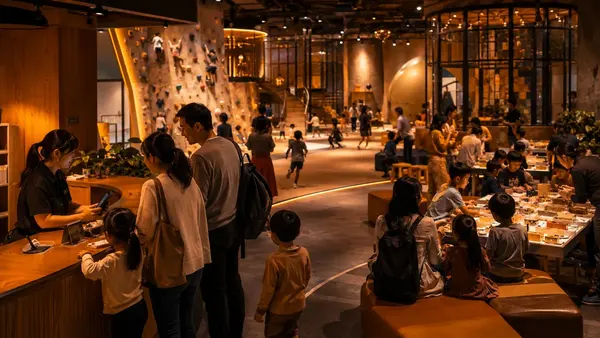
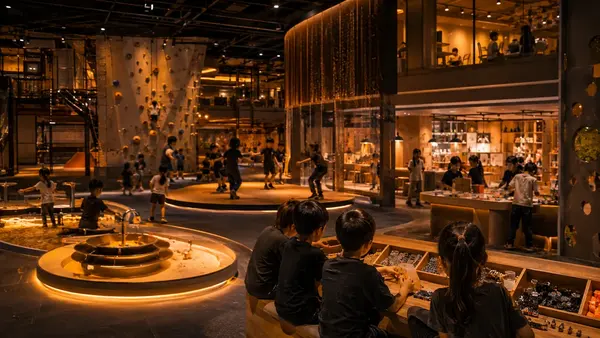
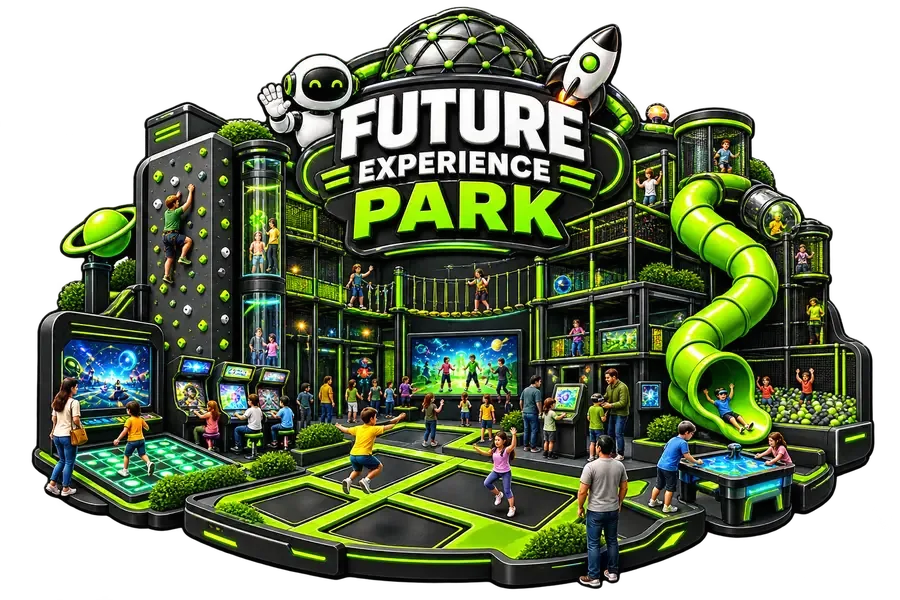
AI Experience Park is designed around this new category. It combines physical activity, creative technology, social play, and child development in one environment. A child can climb, build a game, design a character, train an AI model, write a book, join an event, and celebrate a birthday — all in one visit.
The future of family entertainment will not be defined by bigger slides alone. It will be defined by smarter experiences, stronger reasons to return, and more meaningful outcomes for children and parents.
The Key Question
The next winning concept will answer one question better than everyone else: why should a family come back again next week?