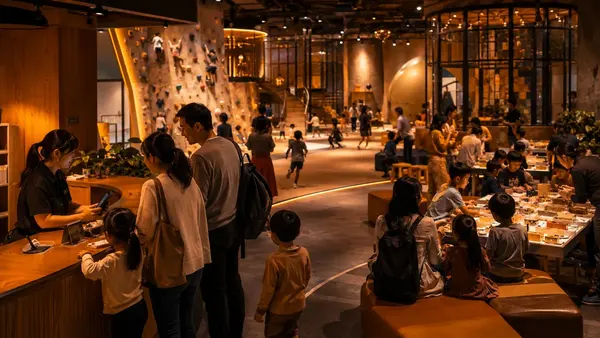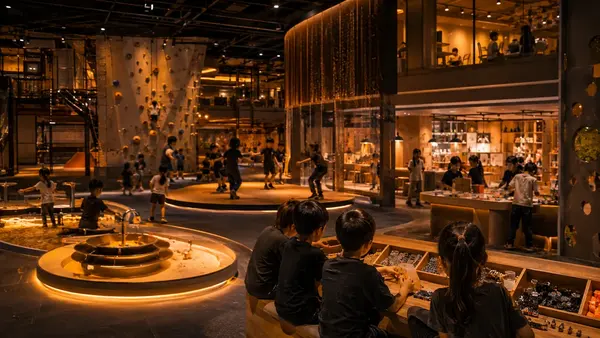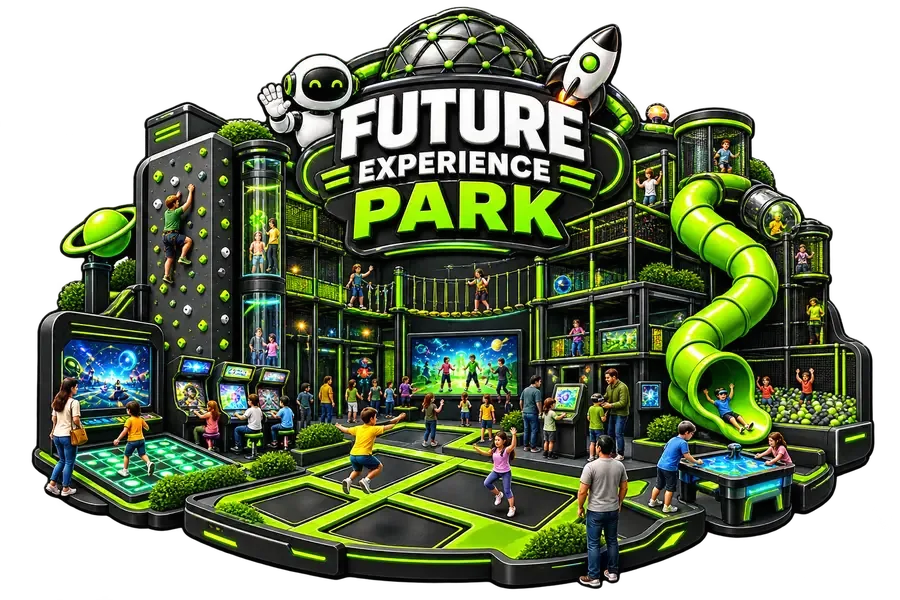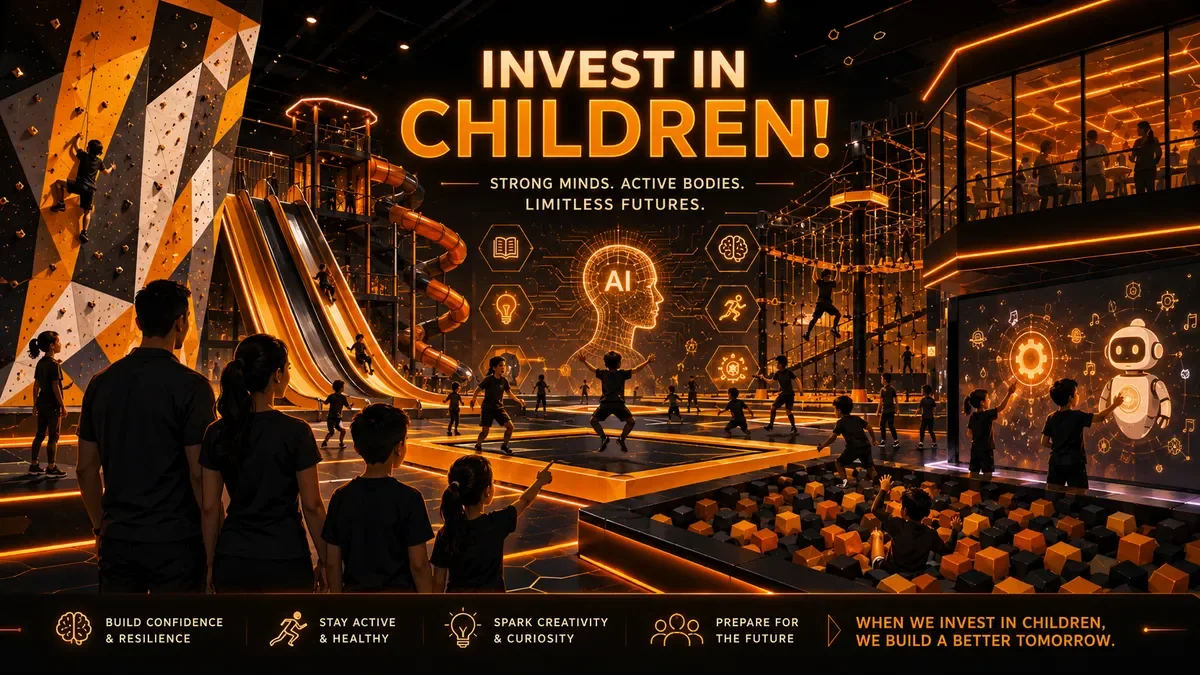
Investing in family entertainment is ultimately an investment in the environments where children move, create, connect, experiment and build confidence. The strongest concepts should create value for children first while also giving families compelling reasons to return.
For decades, the FEC industry has often evaluated projects through equipment lists, square footage and attraction counts. Those factors matter, but they do not fully explain why one park becomes part of a family's routine while another is visited once and forgotten. The deeper opportunity is to design experiences around what children actually need: movement, challenge, imagination, social interaction, agency and visible progress.
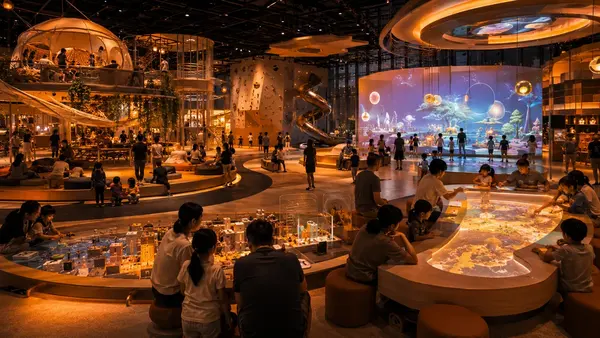
That does not mean turning entertainment into school. Children should still experience the park as fun. Developmental value can be embedded inside play through climbing, building, games, creation, teamwork, exploration and presentation. When parents can see meaningful value without children feeling that they are attending a lesson, the experience can become stronger for both audiences.
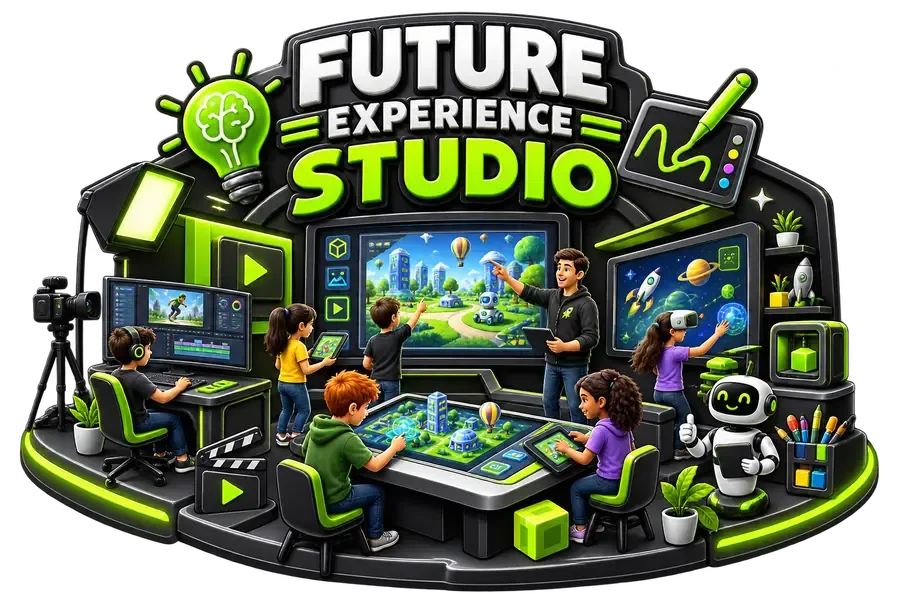
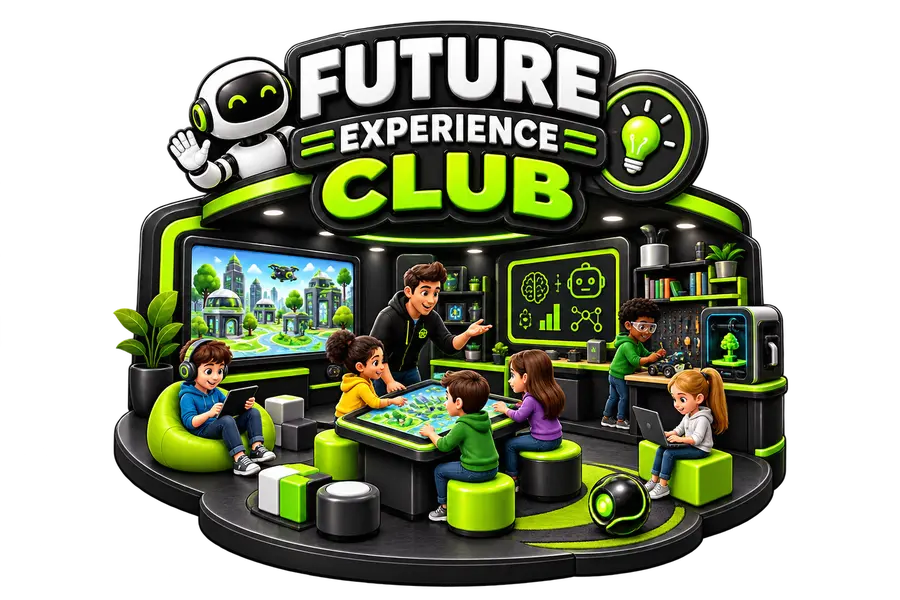
Technology expands this opportunity when it is used as a tool for creation rather than passive consumption. Children can design games, train simple AI models, create characters, build robots, write stories or explore future topics. The objective is not to add more screens; it is to give children more ways to make decisions, produce something and continue developing across visits.
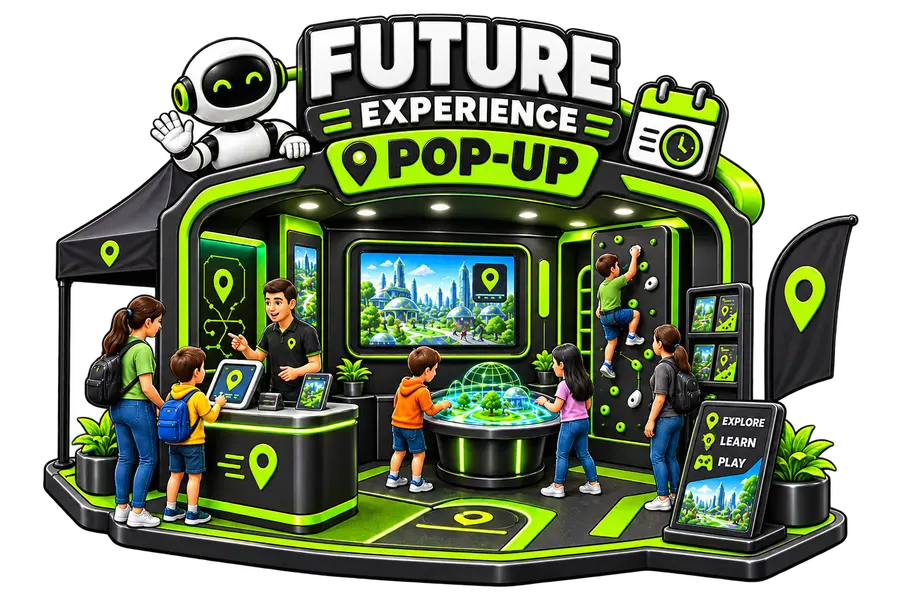
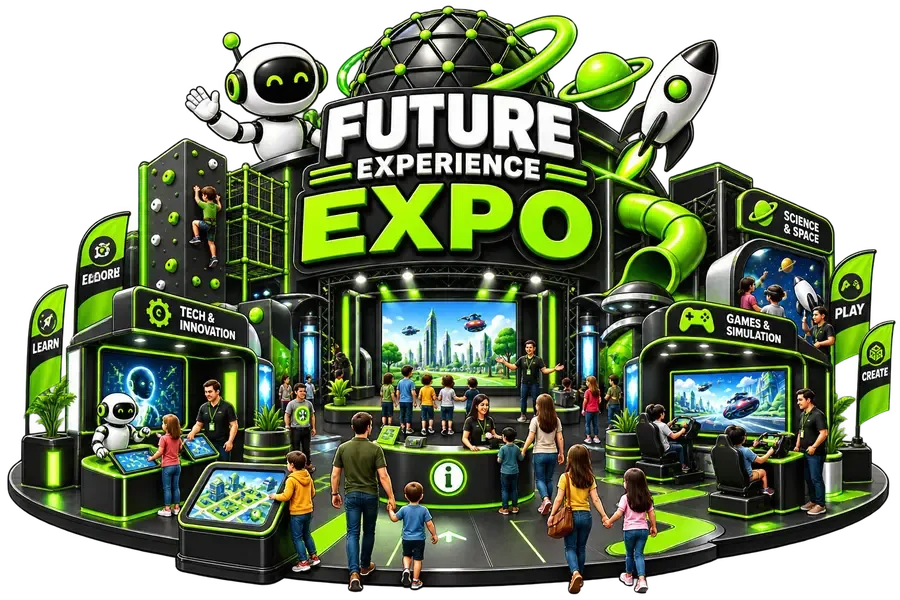
From an investment perspective, this also creates a different operating model. Memberships, programs, birthdays, workshops, schools, events, food, retail and changing themes can create multiple reasons to return and multiple revenue streams. A family park can become an ongoing platform rather than a static collection of attractions.
What stronger family entertainment can support
- Active physical development and confidence.
- Creativity, problem-solving and visible outcomes.
- Social interaction, teamwork and belonging.
- Parent value and stronger reasons to approve repeat visits.
- Programming and progression that make later visits different from the first.
- A more durable commercial model built around repeat relationships with families.