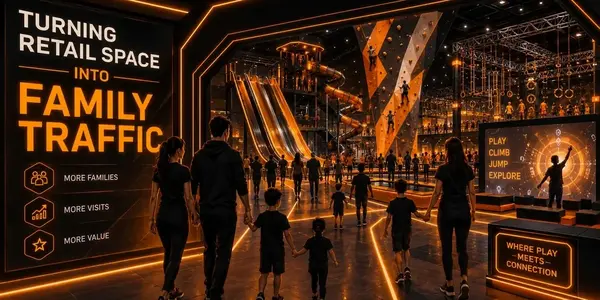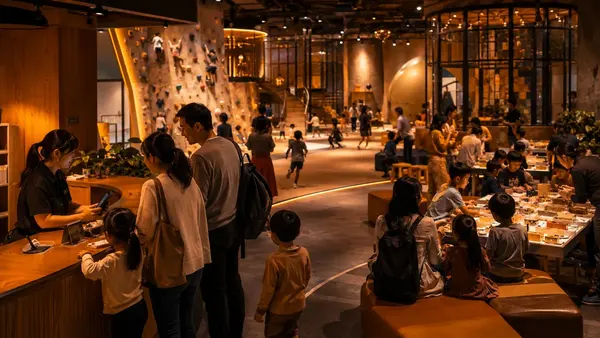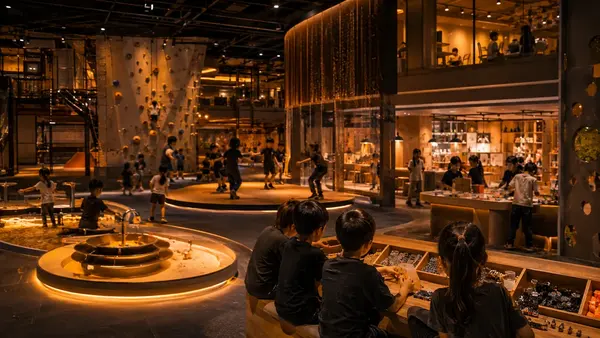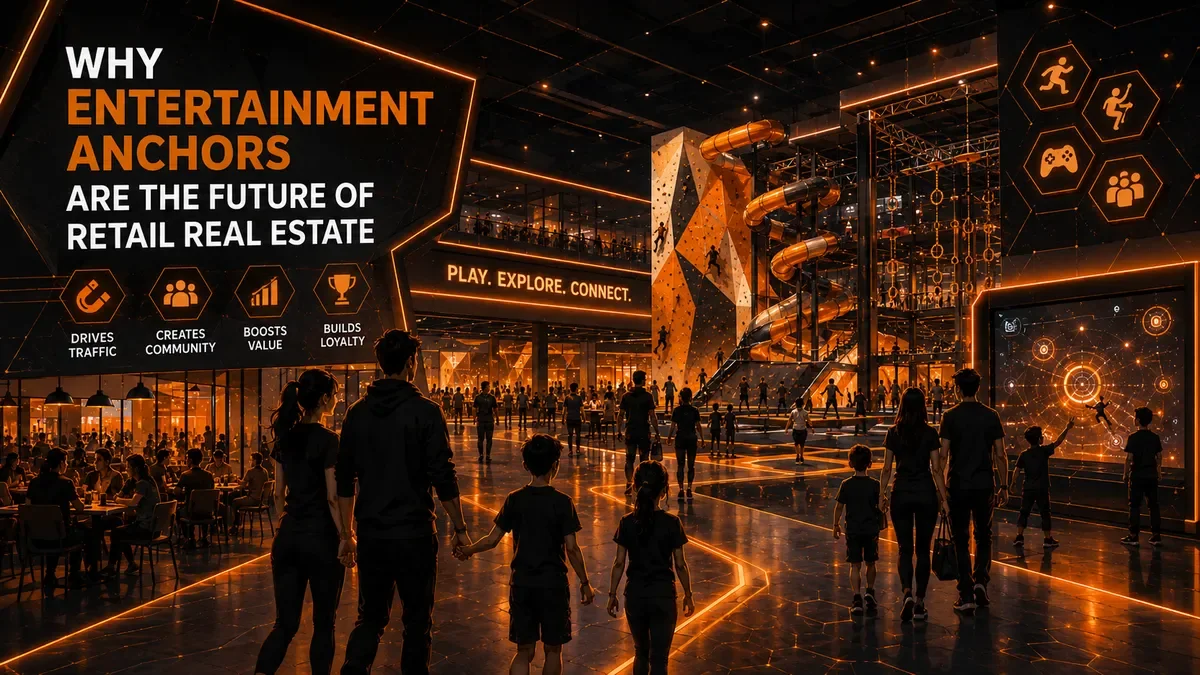
Retail destinations compete for time as much as for spending. When a family chooses where to spend several hours together, the entertainment offer can become the primary reason for the trip while restaurants, cafés and stores benefit from the same visit. That makes entertainment different from a conventional tenant whose value is measured mainly inside its lease line.
The strongest anchors are not static. Opening a large attraction can create immediate curiosity, but long-term value depends on whether families continue to have reasons to return. Memberships, birthdays, changing themes, competitions, school programs, clubs, workshops and community events can create a calendar of activity that keeps the property relevant after opening-year novelty declines.
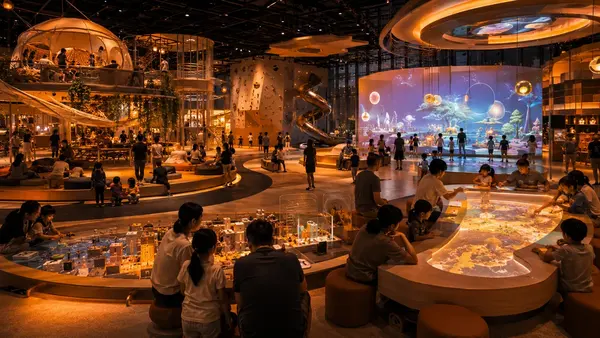
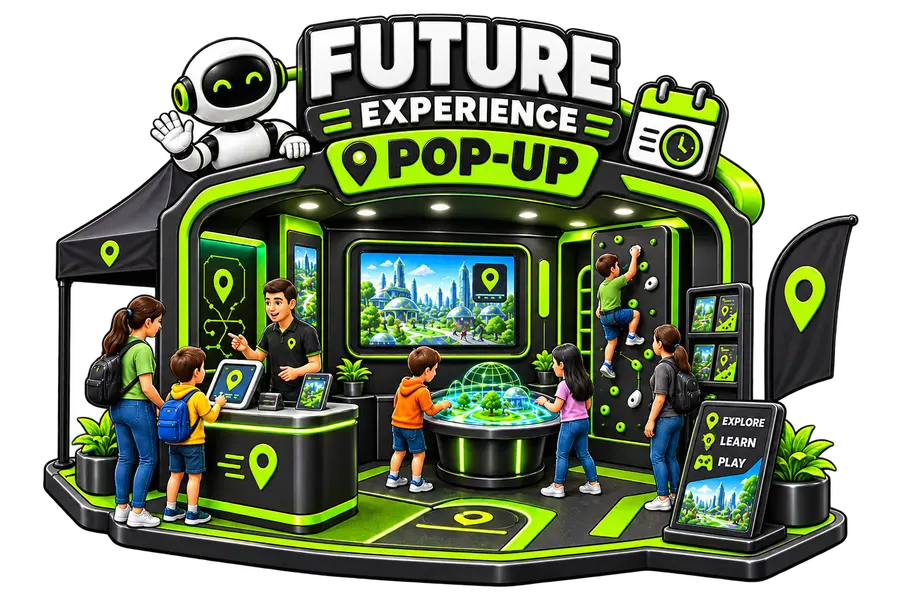
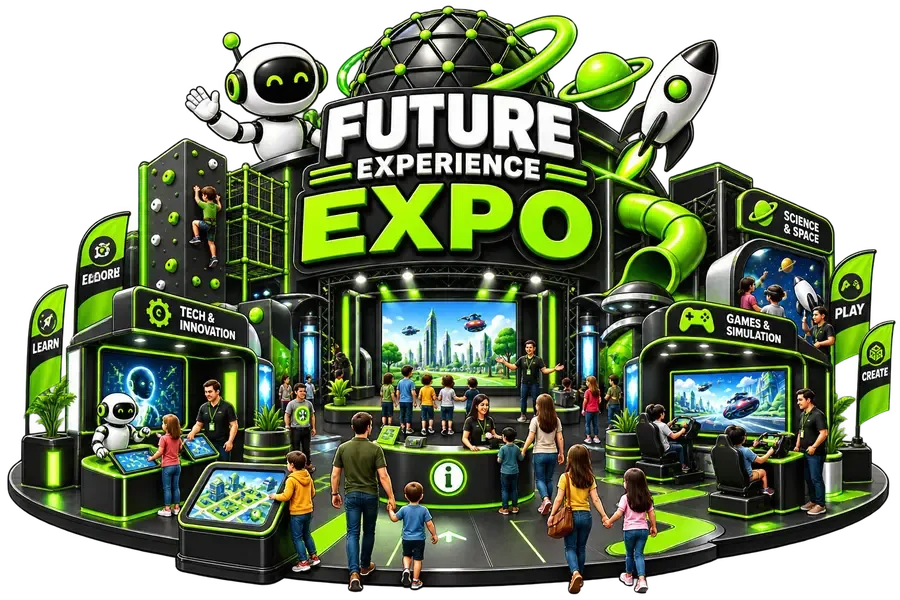
Mall integration can go further. Common-area events, exhibitions, play elements, pop-ups, family Expos and cross-promotions can extend the entertainment experience into the wider center. This creates opportunities for the FEC and landlord to work together on traffic generation instead of treating the venue as an isolated box.
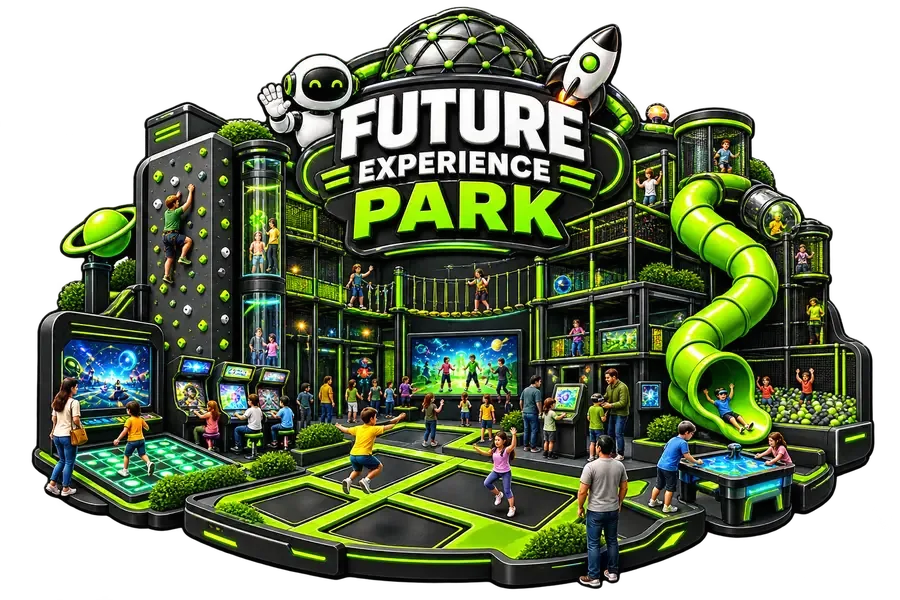
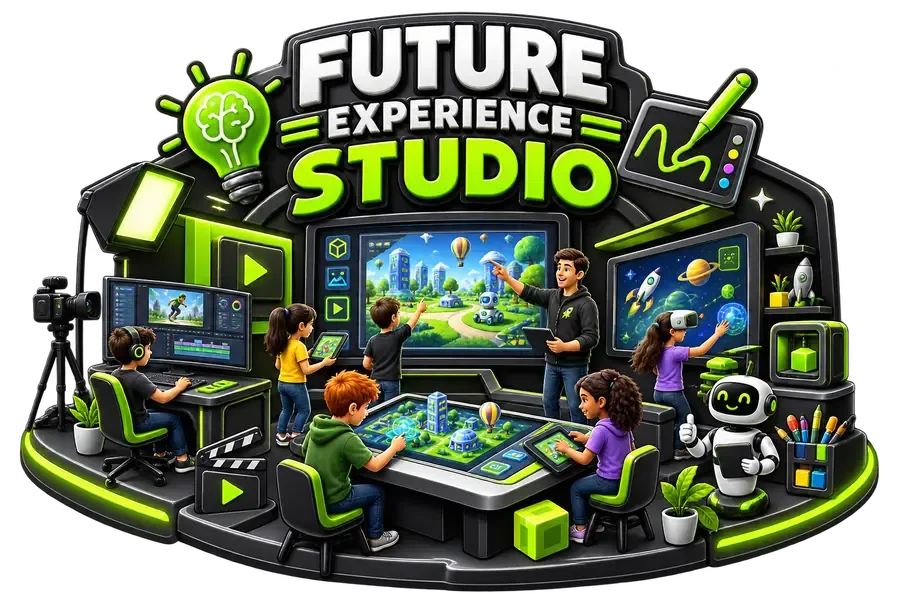
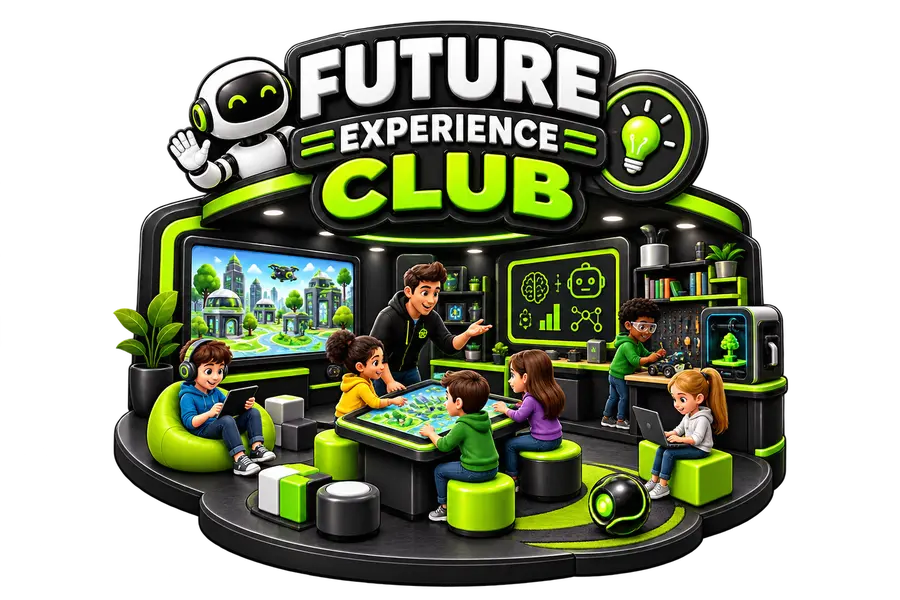
Different properties also need different formats. A destination mall may support a large flagship Park, while a neighborhood center, mixed-use project or hospitality property may require a smaller Center, Studio or Club. Format flexibility allows the real-estate strategy to start with the market and property rather than forcing every opportunity into the same footprint.
What makes an entertainment anchor stronger
- Recurring family traffic rather than one-time opening curiosity.
- Programming that changes throughout the year.
- Birthday, school, group and community uses beyond open play.
- Connections with food, retail and common areas.
- A format that fits the trade area, building and long-term economics.