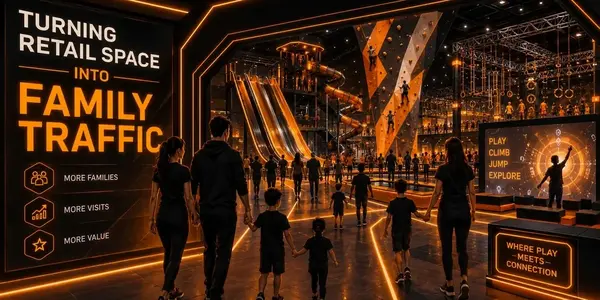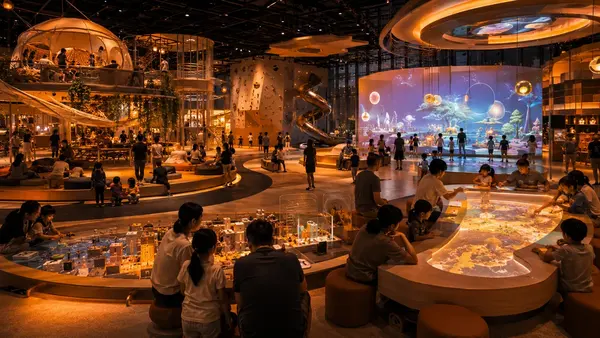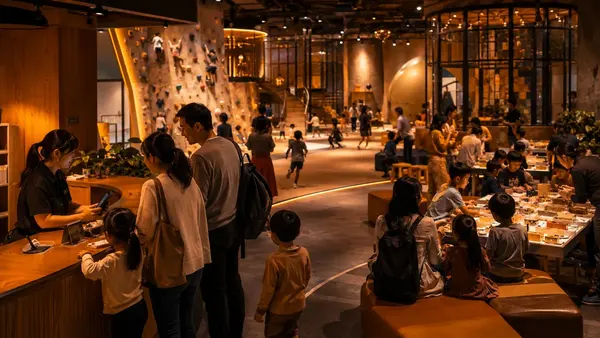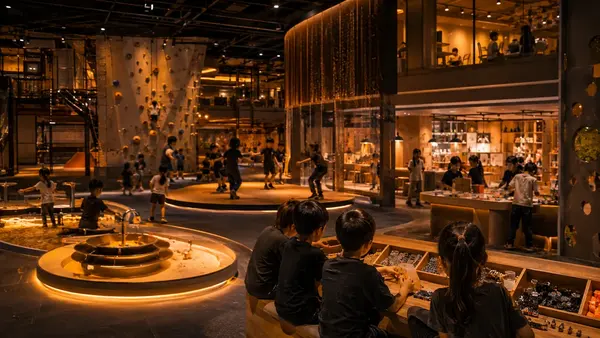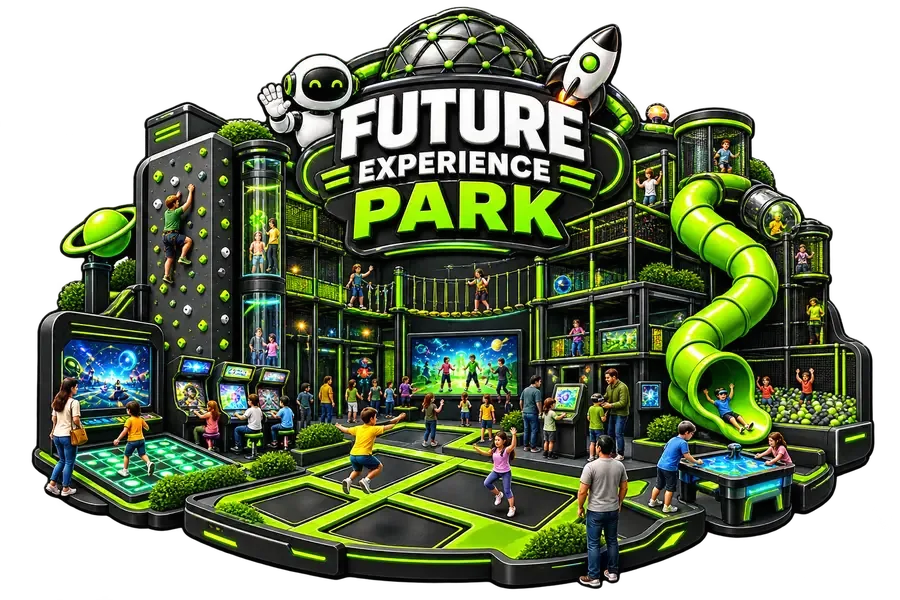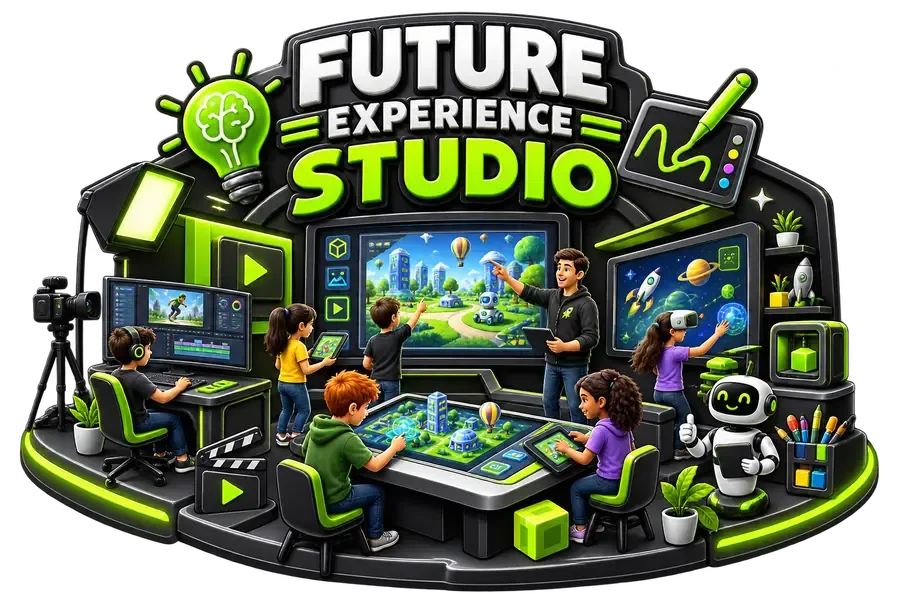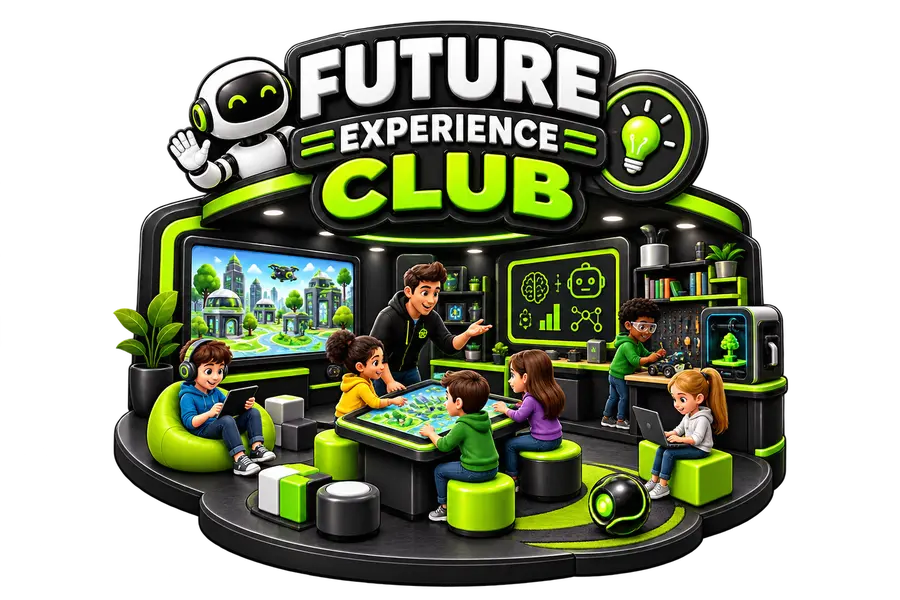
Many activity park projects begin with equipment selection. Slides, trampolines, ropes courses, climbing walls, interactive games, and playground structures are chosen first, and the concept is developed around them later.
The stronger sequence is the opposite. The project should begin with the market, customer, concept, and intended experience. Equipment should support those decisions rather than define them.
Before purchasing attractions, operators should understand who lives in the trade area, which age groups the park intends to serve, what competing concepts already exist, how frequently families are expected to visit, what price levels the market can support, and what unmet need the new park is designed to address.
The concept should then answer a simple question: what should this park be known for? A list of attractions is not a positioning strategy. Two parks may contain similar equipment while delivering completely different customer experiences because their programming, atmosphere, target audience, pricing, staffing, and repeat-visit systems are different.
The same principle applies to layout. Families do not experience an FEC as a floor plan. They experience arrival, check-in, orientation, play, queues, food, rest, supervision, birthday activities, and departure. Sightlines, circulation, seating, transitions between zones, staff visibility, and parent comfort can have as much influence on satisfaction as the attractions themselves.
Landlords evaluating prospective FEC tenants should therefore look beyond equipment renderings. Attractive equipment can help launch a park, but sustainable performance depends on the strength of the overall concept and operating model.
A useful development sequence is:
Market → Customer → Concept → Journey → Zones → Activities → Equipment.
Key points
- Start with the customer and market rather than the equipment catalog.
- Define the park's positioning before selecting attractions.
- Design the entire family journey, not only individual activity zones.
- Evaluate attractions for repeatability, throughput, staffing, and operational fit.
- Parent comfort and visibility should be part of experience design.
- Landlords should evaluate the concept and operating strategy, not only visual renderings.
This approach follows the strategic-planning and experience-design framework in How to Build the Best Activity Park.